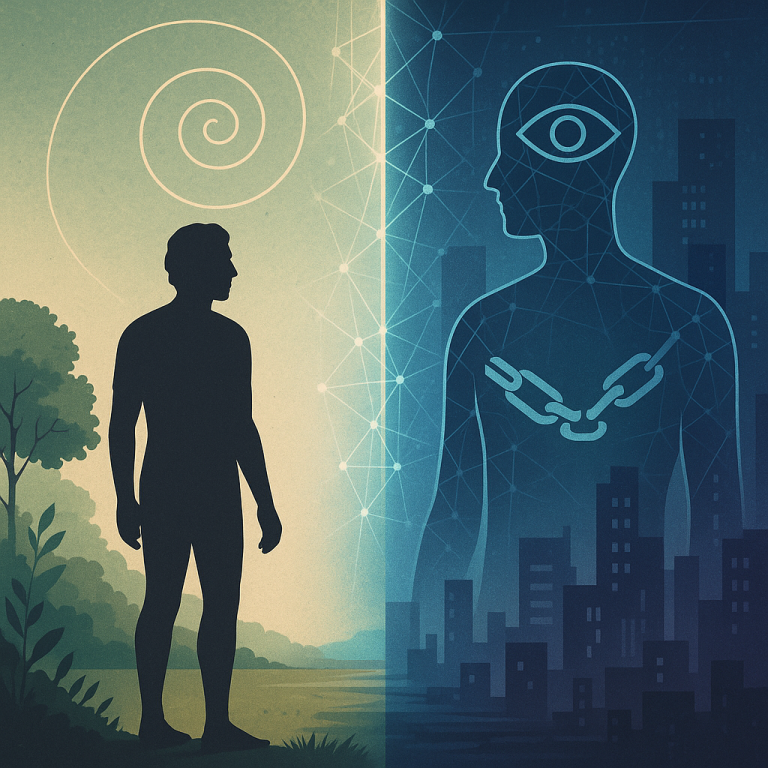

Thomas Paine, the loud voice of the Age of Enlightenment, attributed the breaking of man's chains to the liberating power of the mind. According to him, dogmas, authority and traditions should not determine the fate of the individual; A person should draw his own path with his own mind. common sense and The Age of Reason In his works, he defended reason as the fundamental basis of individual independence and social reform.
Nature, in Paine's eyes, was the scene of God's universal laws. When a person understood these laws, he could build both his own happiness and the welfare of society. For him, religion had become an institution that often overshadowed these laws and restricted the mind of the individual. That's why he decided on deism: God had established the universe, but he did not interfere with the functioning of the laws.
The understanding of society was an extension of this individual-centered framework. According to Paine, the duty of society was to protect the rights of the individual, secure his freedom, and ensure his happiness. Human beings were valuable and society existed to nurture this value.
From another perspective, this savior role that Paine attributes to the mind is of course powerful; But it is also possible to see the mind not only as a tool that breaks the chains of the individual, but as a part of a broader integrity. A person thinks, produces and decides not only for himself but also for the functioning of the order he is in. Individual freedom is precious; But that freedom also seeks harmony with the silent flow of the universe.
Then, a bridge can be built between the path opened by Paine and our intuition: Reason can be a tool for the liberation of the individual as well as a functional element of universal harmony. The individual not only protects his own value; At the same time, it deepens its existence by acting together with the whole. Perhaps the most meaningful freedom is not only getting rid of the chains, but also taking one's place consciously in a great order.